Who we are
A Whangārei-based food education site for NZ households. Read about us, including address and phone.

We help New Zealand families put more veg, protein, and seasonal food on the table—without strict diets, miracle claims, or replacement for your GP.
A Whangārei-based food education site for NZ households. Read about us, including address and phone.
Free guides, recipes, and optional paid sessions about meal variety—priced and confirmed by email before booking.
Not a clinic. Not medical or dietetic treatment. For health conditions, see your GP or a registered dietitian.
When you eat different foods across the week, you pick up a wider range of vitamins and minerals without overthinking it. It works well when veg, beans, whole grains, and milk (or alternatives) all show up regularly. In New Zealand that might mean keeping potatoes, bread, and mince—but also adding lentils, tinned fish, or fruit that is in season.
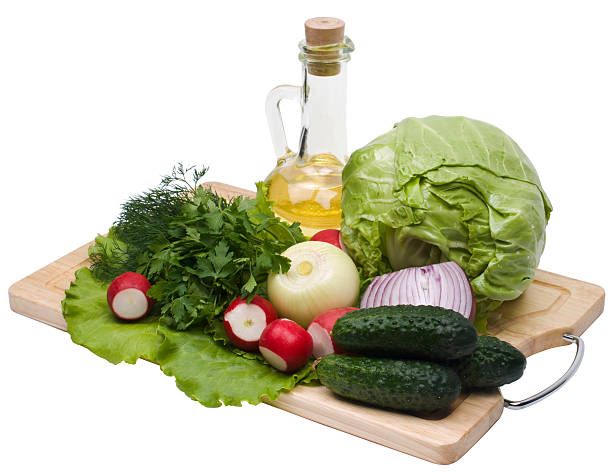
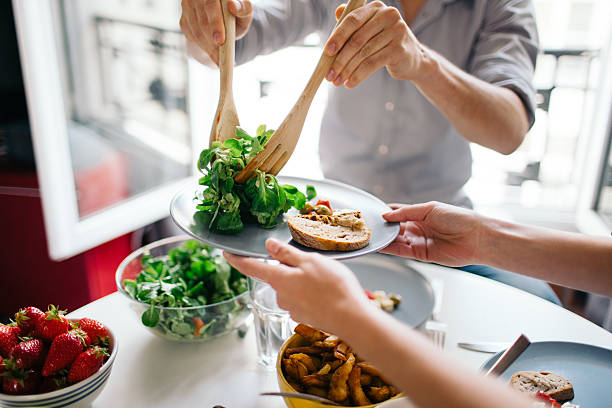
Variety also stops meals feeling boring. A colourful plate—green silver beet, orange kūmara, purple cabbage—is an easy sign you are on the right track. Try one new thing each shop: another apple type, a cheese you have not had, or a grain that is new to you.
Markets from Northland to Otago show what is ripe—stone fruit in summer, citrus in winter. Seasonal food often costs less and tastes better.
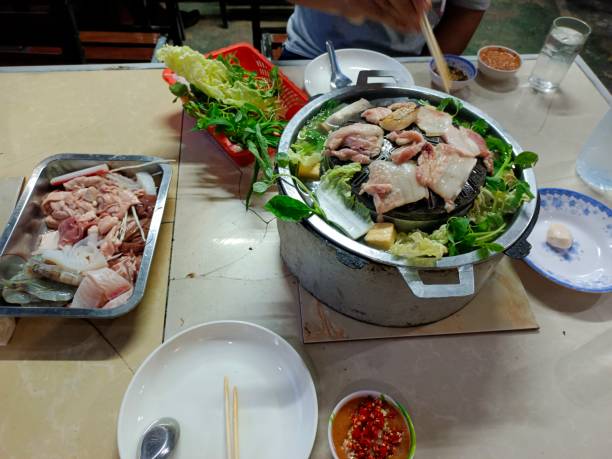
From hāngī veg to taro and noodle bowls, Kiwi kitchens mix traditions. Try one new recipe a month to broaden flavours.
Compare salt and fibre on labels. Pick wholegrain bread when you can, and treat sugary drinks as an occasional treat.
In our sessions we focus on habits you can keep: Sunday batch cooking, lunches that travel well, and small swaps that fit your whānau—not perfect eating from day one.
Wasting less food makes variety easier on the budget. Stand herbs in water, perk up celery in ice water, and date your leftovers. Compost if your council collects it, or try a small worm farm if you have a garden.
Containers help you turn leftovers into new meals: roast veg into a frittata; rice into fried rice with egg and peas. You do not need pricey gear—just use what you buy and buy what you will eat.
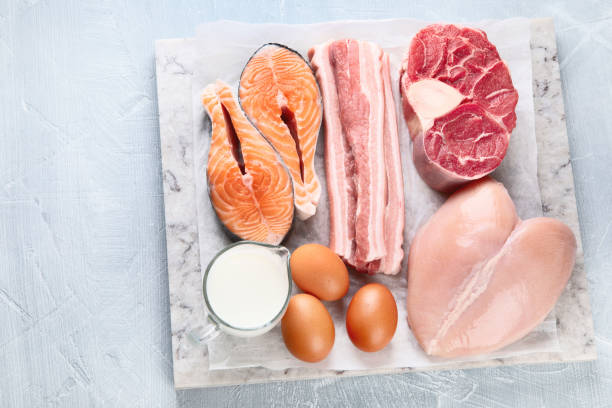
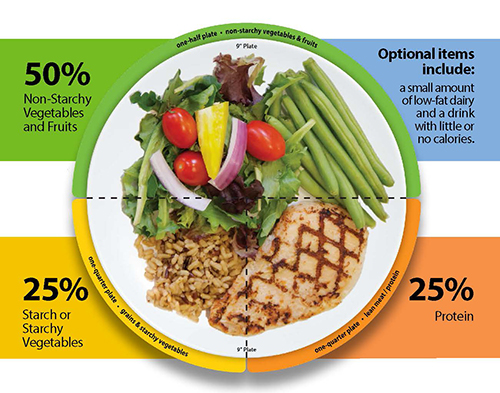
New Zealand has great seafood, lamb, beef, chicken, eggs, and more plant options than ever. A handy rule: about half the plate veg, protein about the size of your palm. Tinned salmon gives healthy fats; chickpeas add fibre; edamame works in lunchboxes.
On vegetarian days, pair iron foods (lentils, spinach) with vitamin C (tomato, citrus) so your body can use the iron better. Milk, cheese, or fortified soy yoghurt help with calcium for strong bones.
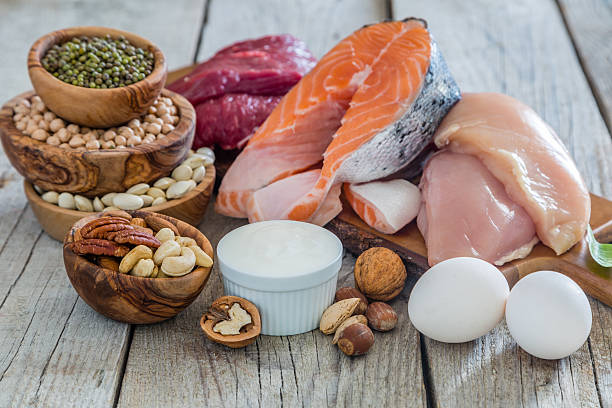
Plenty of veg, olive oil, nuts, and fish—like a Mediterranean-style plate—fits well with an active life. In NZ that can mean avocado, walnuts, grilled snapper, and tomato salad.
Many of us do not get enough fibre. Oats at breakfast, a pear at morning tea, and beans at dinner all add up. Keep washed carrots and hummus at the front of the fridge so they are easy to grab.
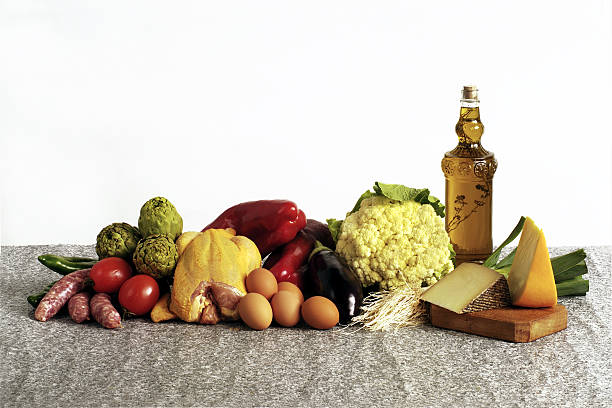
Safe food makes varied meals more enjoyable. Put perishables in the fridge within two hours, cook mince and sausages right through, and use a separate board for raw chicken. For rice, cool it quickly after cooking and reheat until piping hot. Buy seafood from trusted shops and check use-by dates.
If you are pregnant, older, or have a weaker immune system, skip unpasteurised cheese and raw sprouts unless your doctor says otherwise. Always read allergy info on labels. Our chats cover storage and kitchen hygiene—they do not replace your GP or dietitian for health conditions.
No. We do not sell weight-loss products or promise specific weight outcomes. We discuss varied everyday eating and portion ideas only. For personalised weight guidance, see your GP or a New Zealand Registered Dietitian.
Both work for people anywhere in New Zealand. We can meet near Whangārei when timing suits.
Yes, we can suggest swaps using labelled products and whole foods. Sometimes a dietitian or doctor is the better next step—we will say so.
Send us a message for current prices and session lengths. We usually reply within two working days.
Try one small change this week: tinned tomatoes in pasta, feijoa when they are ripe, or water instead of sugary drinks at dinner. Good habits build slowly—not from one huge shop.
A full week with rough calories.
What to buy in NZ.
Ask about sessions.
We are based in Whangārei and work with people all over NZ. Contact us